KILIMANJARO CLIMBING

Climb Mount Kilimanjaro – Roof of Africa Adventure

Mount Kilimanjaro is Africa’s highest mountain and one of the world’s most iconic trekking destinations, attracting adventurers from every continent. Rising majestically above the plains of Tanzania, it is renowned for its snow-capped summit, breathtaking landscapes, and the extraordinary experience of standing on the “Roof of Africa.” Unlike many of the world’s major peaks, Kilimanjaro is a non-technical climb, meaning that no advanced mountaineering skills are required only determination, proper preparation, and a spirit of adventure.

One of the most fascinating aspects of climbing Kilimanjaro is the journey through its five distinct climate zones, ranging from lush rainforest and heathland to alpine desert and arctic summit conditions. Each stage of the ascent feels like traveling through a different world, making it a true bucket-list adventure for trekkers. This unique combination of accessibility, natural beauty, and personal challenge is what makes Mount Kilimanjaro one of the most unforgettable mountain experiences on Earth.

5 DAY MARANGU ROUTE

From $ 2,111 per person

6 DAY MARANGU ROUTE

From $ 2,250 per person

7 DAY LEMOSHO ROUTE

From $ 2,688 per person

8 DAY LEMOSHO ROUTE

From $ 2,788 per person

6 DAY MACHAME ROUTE

From 2,450$ per person

7 DAYS MACHAME ROUTE

From 2,788$ per person

6 Days Rongai Route

From $2,171 Per Person

7 Days Rongai Route

From $2,524 Per Person

8 Days Northern Circuit

From $2,476 Per Person

9 Days Northern Circuit

From $2,726 Per Person

Why Climb Mount Kilimanjaro

Climbing Mount Kilimanjaro is a life-changing adventure that offers a powerful sense of personal achievement. Reaching the summit at Uhuru Peak is a dream for many travelers, and standing on the “Roof of Africa” is an unforgettable reward for your determination, patience, and endurance. It is not just a climb, but a journey that tests your mindset and leaves you with a deep feeling of accomplishment.

Along the way, climbers are rewarded with some of the most stunning scenery in the world, from lush rainforests filled with wildlife to dramatic alpine deserts and glacier-covered peaks. The experience is completely unique, as every day brings a new landscape and atmosphere. One of the biggest advantages is that no technical climbing experience is required, making it accessible to beginners with good fitness and preparation. With the right route choice, especially longer itineraries for better acclimatisation, the success rate is high, making Kilimanjaro one of the most achievable high-altitude trekking adventures in the world.

FREE 30-MINUTE CALL WITH OUR TRAVEL EXPERT

Book a free 30-minute call to get personalized advice about safaris, Kilimanjaro routes, and the best times to visit.

📞 Book a Free Call
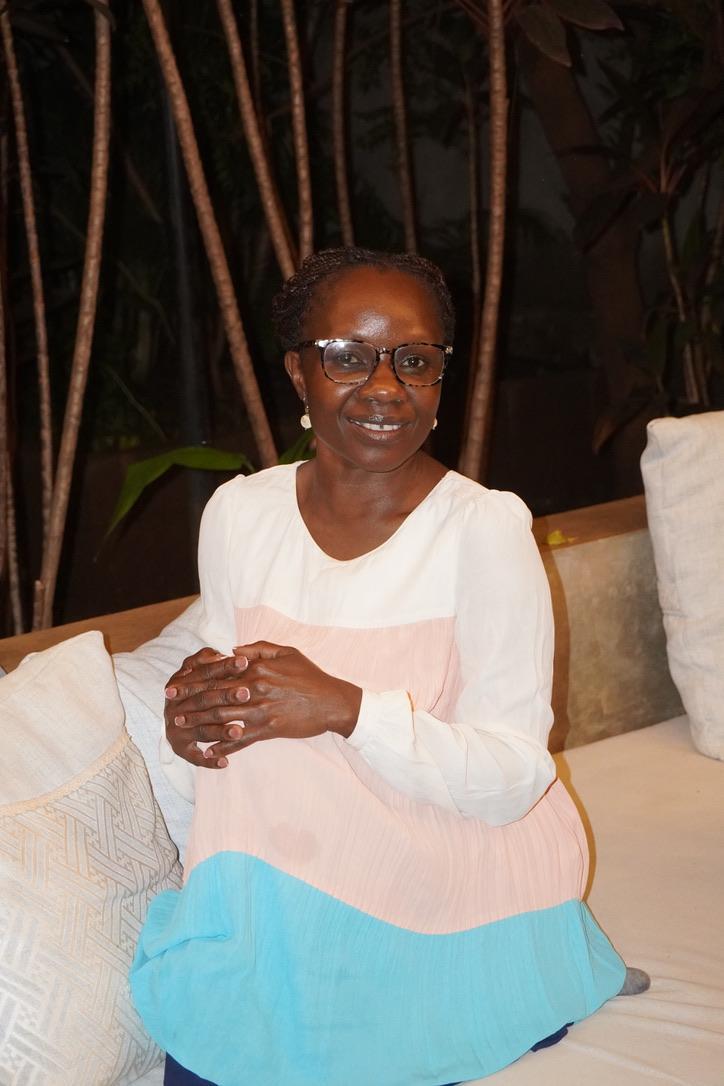
Travel Expert

Martha ✔️

Tanzania Travel Expert

Kilimanjaro Climbing FAQ

How difficult is it to climb Mount Kilimanjaro?

Climbing Mount Kilimanjaro is considered a challenging trek rather than a technical climb. It does not require mountaineering skills, but it demands good physical fitness, mental strength, and proper acclimatisation due to the high altitude.

No, previous climbing experience is not required. Kilimanjaro is a trekking mountain, meaning most people with good preparation, determination, and the right support can successfully reach the summit.

Popular routes include Machame, Lemosho, Marangu, Rongai, and the Northern Circuit. Lemosho and the Northern Circuit are highly recommended for better acclimatisation and higher success rates, while Machame is popular for its scenic views.

Most climbs take between 6 to 9 days depending on the route. Longer itineraries are strongly recommended because they allow better acclimatisation and increase the chances of reaching Uhuru Peak successfully.

The best times are during the dry seasons: January to March and June to October. These months offer clearer skies, better trail conditions, and higher chances of successful summit attempts.

Success rates vary depending on the route and number of days. Longer routes such as Lemosho and Northern Circuit have higher success rates due to better acclimatisation, while shorter routes have lower chances because of faster altitude gain.

Our Story Space

Real experiences, small moments, and thoughtful insights gathered from our Tanzania Safari Tours are written to help travellers understand this place with a little more honesty.

size of ngorongoro crater
Tanzania Safari Cost: How Much Does a Safari in Tanzania...
dl.beatsnoop.com final 9dc4vquche
Best Time to Climb Kilimanjaro: A Complete Month-by-Month...
tanzania visa1 1394509055
Tanzania Visa: Complete Guide to Visa Requirements,...
dl.beatsnoop.com final h9juqtkkcn
Tanzania Travel Guide: The Complete Guide to Visiting...
chemka
Best Time to Visit Tanzania: Complete Month-by-Month...